No More Meal Prep Rut: 7 Ways to Keep Your Healthy Meals Exciting
Ah, meal prep. The unsung hero of healthy eating, time-saving, and budget management. It promises a week of effortless, nutritious meals, keeping us on track towards our wellness goals. Yet, for many, the initial enthusiasm often wanes, replaced by a dreary sense of predictability. We've all been there: staring into a sea of identical containers, each holding the same chicken, broccoli, and rice, week after week. This isn't just about food fatigue; it's a genuine hurdle to sustainable healthy habits. When your food becomes boring, your motivation to eat well takes a nosedive, and suddenly, that takeout menu looks incredibly appealing.
The good news? Your meal prep journey doesn't have to be a monotonous march. It can, and should, be a vibrant culinary adventure! The key lies in embracing meal prep variety and actively seeking ways to avoid food boredom. With a little creativity and strategic planning, you can transform your meal prep from a chore into a source of genuine excitement and delicious anticipation. This post is your ultimate guide to injecting flavor, texture, and surprise back into your weekly routine, offering exciting meal prep strategies and an abundance of healthy meal ideas to spark your meal prep inspiration. Let's banish the bland and welcome a world of delicious possibilities!
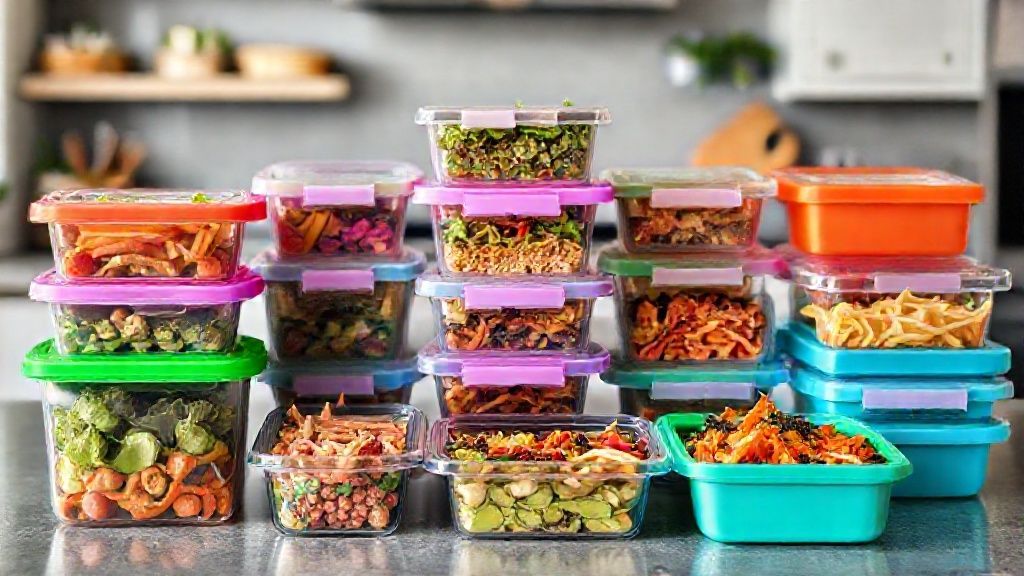
1. Embrace Thematic Cooking Weeks
One of the quickest ways to break free from the monotony is to structure your meal prep around themes. Think of it as a culinary passport, allowing you to explore different global cuisines or specific flavor profiles each week. This approach naturally introduces a wide meal prep variety without requiring you to reinvent the wheel for every single dish. Instead of just "chicken and veggies," you're making "Mediterranean chicken bowls" or "Thai-inspired curry."
How to Implement:
- Choose a Theme: Pick a cuisine (e.g., Mexican, Italian, Indian, Mediterranean, Asian Fusion) or a flavor profile (e.g., Spicy, Herbaceous, Smoky, Citrusy). You can even base it on a cooking method (e.g., Sheet Pan Wonders, Grill Masters).
- Research Simple Recipes: Look for 2-3 recipes that fit the theme and can be easily scaled for meal prep. Think about components that can be reused in different ways.
- Stock Up on Key Ingredients: Buy spices, sauces, and fresh produce common to your chosen theme. This makes your grocery list more focused and exciting.
- Examples of Thematic Weeks & Healthy Meal Ideas:
- Mediterranean Magic: Think grilled chicken/fish with tzatziki, quinoa salad with olives and feta, roasted bell peppers, hummus, whole-wheat pitas.
- Taste of Thailand: Prepare a base of jasmine rice, then add green or red curry with chicken/tofu and plenty of vegetables, or a peanut noodle salad with crunchy raw veggies.
- Mexican Fiesta: Build your own taco/burrito bowls with seasoned ground turkey/beans, brown rice, corn and black bean salsa, shredded lettuce, and avocado crema.
- Italian Comfort: Lean turkey meatballs with zucchini noodles or whole-wheat pasta, marinara sauce, caprese skewers, or a hearty minestrone soup.
This method keeps your palate engaged, offers endless meal prep inspiration, and turns your kitchen into a global culinary hub. It's a fantastic strategy to avoid food boredom and ensures your healthy meal ideas are always fresh and exciting.
2. Deconstruct Your Meals for Mix-and-Match Fun
If themed weeks feel too structured, try the opposite: deconstructing your meals. Instead of prepping full, finished dishes, focus on preparing individual components that can be mixed and matched throughout the week. This strategy offers unparalleled flexibility and is a powerhouse for introducing meal prep variety.
How to Implement:
- Prep Your Proteins: Cook 2-3 different lean proteins (e.g., baked chicken breast, roasted salmon, hard-boiled eggs, cooked lentils, ground turkey).
- Roast/Steam Your Veggies: Prepare a couple of different types of vegetables. Think roasted broccoli, sautéed spinach, grilled bell peppers, or a medley of root vegetables.
- Cook Your Grains/Carbs: Prepare a batch of quinoa, brown rice, farro, sweet potatoes, or even whole-wheat pasta.
- Create Complementary Sauces/Dressings: A lemon-tahini dressing, a simple vinaigrette, or a spicy peanut sauce can completely transform a set of components.
- Assemble on Demand: Each day, you can combine these components in different ways:
- Day 1: Quinoa bowl with roasted chicken, broccoli, and lemon-tahini.
- Day 2: Salad with leftover chicken, mixed greens, bell peppers, and vinaigrette.
- Day 3: Sweet potato hash with ground turkey and a fried egg.
- Day 4: Quick stir-fry with leftover proteins and veggies, dressed with peanut sauce.
This "build-your-own-bowl" or "create-your-own-plate" approach is perfect for those who crave spontaneity and want to avoid food boredom without sacrificing efficiency. It’s a highly adaptable way to generate exciting meal prep options from a single cooking session.

3. Harness the Power of Sauces, Spices & Herbs
Often, it’s not the core ingredients (chicken, rice, broccoli) that are boring, but the lack of dynamic flavor. This is where sauces, spices, and fresh herbs come to the rescue! They are perhaps the easiest and most impactful way to introduce incredible meal prep variety and transform a simple dish into something extraordinary. Think of them as your secret weapon against blandness.
How to Implement:
- Build a Sauce Arsenal: Dedicate a small portion of your prep time to whipping up 2-3 different homemade sauces or dressings. This is much healthier than store-bought options, which often contain hidden sugars and unhealthy fats.
- Creamy: Greek yogurt ranch, avocado crema, tahini dressing.
- Vinaigrettes: Lemon-herb, balsamic, apple cider vinaigrette.
- Global Flavors: Peanut sauce, chimichurri, sriracha mayo, pesto.
- Explore Spice Blends: Invest in a variety of individual spices or pre-made spice blends. A simple sprinkle can transport your dish.
- Smoky: Paprika, cumin, chili powder.
- Earthy: Cumin, coriander, turmeric.
- Herby: Italian seasoning, Herbs de Provence, dried oregano/thyme.
- Spicy: Cayenne pepper, red pepper flakes, curry powder.
- Don't Forget Fresh Herbs: A sprinkle of fresh cilantro, parsley, basil, or dill right before serving can brighten any meal and add a burst of freshness that powdered herbs simply can't replicate.
- Rotate & Experiment: Don't stick to the same spice blend every week. Challenge yourself to try a new one, or combine spices in new ways. Marinade your proteins in different combinations of spices and sauces each time.
By simply changing the flavor profile with sauces and spices, your healthy meal ideas will suddenly feel new and exciting, making it incredibly easy to avoid food boredom.
4. Rotate Your Protein and Carb Sources Regularly
If you find yourself stuck in the "chicken and rice" cycle, it's time to shake things up. Relying on the same few ingredients week after week is a surefire way to induce a meal prep rut. Expanding your repertoire of proteins and complex carbohydrates is a fundamental strategy for creating meal prep variety.
How to Implement:
- Vary Your Proteins:
- Poultry: Chicken breast, chicken thighs, ground turkey.
- Seafood: Salmon, cod, shrimp, tuna (canned or fresh).
- Red Meat (in moderation): Lean ground beef, sirloin.
- Plant-Based: Tofu, tempeh, edamame, lentils, chickpeas, black beans, kidney beans. Explore plant-based sausages or burgers for quick options.
- Diversify Your Carbs:
- Grains: Brown rice, quinoa, farro, couscous (whole wheat), bulgur, wild rice.
- Root Vegetables: Sweet potatoes, yams, butternut squash, parsnips, carrots (roasted or mashed).
- Legumes: All types of beans and lentils can also serve as substantial carb sources.
- Whole Grains: Whole-wheat pasta, oats (for breakfast meal prep).
- Pairing for Flavor and Nutrition: Think about how different proteins and carbs complement each other. Salmon with quinoa and roasted asparagus is different from ground turkey with sweet potatoes and green beans. This simple swap can completely change the experience of your healthy meal ideas.
Introducing new textures and nutritional profiles from different sources of protein and carbs keeps your body well-nourished and your taste buds stimulated. This approach is key to sustaining exciting meal prep and ensures you're getting a broad spectrum of nutrients.
5. Embrace Seasonal Eating for Natural Variety
Nature itself offers the ultimate meal prep inspiration through the changing seasons. Eating seasonally is not only an excellent way to introduce meal prep variety naturally, but it also means your ingredients are at their peak flavor, freshness, and often, their lowest price. Produce that's in season hasn't traveled far, meaning it retains more nutrients and tastes infinitely better than out-of-season alternatives.
How to Implement:
- Visit Farmers' Markets: These are treasure troves of seasonal produce. Engage with farmers and ask what's fresh and what their favorite ways to cook it are.
- Consult Seasonal Guides: A quick online search for "seasonal produce [your region/state]" will give you a list of what's abundant.
- Plan Around Peak Produce:
- Spring: Asparagus, peas, radishes, spinach, strawberries. Think light salads, vibrant stir-fries, and fresh fruit desserts.
- Summer: Tomatoes, corn, zucchini, bell peppers, berries, peaches. Perfect for grilling, fresh salsas, and colorful salads.
- Fall: Apples, pears, pumpkins, squash, Brussels sprouts, kale. Ideal for roasting, hearty soups, and comforting baked dishes.
- Winter: Root vegetables (carrots, potatoes, turnips), citrus fruits, sturdy greens (collards, cabbage). Great for stews, roasts, and zesty salads.
- Adapt Your Go-To Recipes: Take a favorite recipe and swap out a couple of ingredients for seasonal ones. A summer pasta dish can become a hearty fall bake with different vegetables.
By tuning into the rhythm of the seasons, you'll naturally cycle through a diverse range of fruits and vegetables, preventing food boredom and ensuring your healthy meal ideas are always at their most delicious and nutrient-dense.

6. Invest in "Fun" Kitchen Gadgets and Cooking Methods
Sometimes, the rut isn't just about the food, but how it's prepared. Using the same cooking methods repeatedly can lead to similar textures and flavor profiles, even with different ingredients. Introducing new kitchen gadgets or exploring different cooking techniques can revolutionize your exciting meal prep game and open up a world of new healthy meal ideas.
How to Implement:
- Air Fryer: This appliance creates incredibly crispy textures with minimal oil. Think crispy roasted vegetables, perfectly cooked salmon, or even "fried" chicken. It's fast and easy for individual components.
- Instant Pot/Pressure Cooker: A lifesaver for quickly cooking grains, legumes (beans from scratch!), tough cuts of meat, or even entire stews. It significantly cuts down prep time for many recipes.
- Sheet Pan Meals: The ultimate in convenience. Toss protein and vegetables with seasoning on a single sheet pan and roast. Minimal cleanup, maximum flavor.
- Examples: Sheet pan sausage and peppers, lemon herb chicken and asparagus, roasted tofu and broccoli.
- Grilling: Adds a smoky char and distinct flavor that roasting or sautéing can't replicate. Perfect for proteins and many vegetables.
- Spiralizer: Turn vegetables like zucchini, carrots, or sweet potatoes into "noodles" for a lighter, veggie-packed alternative to pasta.
- Slow Cooker: Ideal for set-it-and-forget-it meals like chili, shredded chicken, or hearty stews. Perfect for busy weeknights or large batch cooking.
Each method imparts a unique quality to your food, from a tender slow-cooked stew to a crispy air-fried vegetable. By rotating your cooking methods, you naturally introduce meal prep variety and avoid food boredom, making mealtime a more dynamic and enjoyable experience.
7. The "Meal Prep Remix": Transform Your Leftovers
Even with the best intentions, sometimes we end up with leftover components from our meal prep that don't quite fit into the next planned meal. Instead of letting them go to waste or resigning yourself to eating the same thing again, embrace the "Meal Prep Remix" challenge! This is about intelligently transforming leftover ingredients into entirely new, exciting meal prep options, demonstrating true meal prep inspiration.
How to Implement:
- Think Beyond the Original Dish: Don't just reheat and eat. Consider how the texture and flavor profile of the leftover component can be altered or complemented.
- Leftover Roasted Chicken:
- Shred it for tacos, quesadillas, or a chicken salad sandwich/wrap.
- Add it to a quick soup with some broth and leftover veggies.
- Toss it with pasta and pesto for a quick dinner.
- Leftover Cooked Grains (Quinoa, Rice, Farro):
- Turn into a breakfast bowl with nuts, fruit, and a drizzle of honey.
- Make a quick fried rice (brown rice is great for this) with an egg and frozen veggies.
- Use as a base for a cold salad with chopped vegetables and a vinaigrette.
- Leftover Roasted Vegetables:
- Blend into a creamy soup with some broth.
- Add to an omelet, frittata, or scramble for breakfast.
- Toss with some chickpeas and a dressing for a quick side salad.
- Utilize Fresh Herbs: As mentioned before, a sprinkle of fresh herbs can make an old dish feel brand new.
- Add a Fried Egg: The ultimate meal prep remix tool! It instantly elevates almost any leftover component into a hearty meal.
This strategy not only minimizes food waste but also forces you to think creatively, ensuring that your healthy meal ideas maintain meal prep variety and prevent that dreaded feeling of food boredom. It’s a sustainable and delicious way to get the most out of your efforts.
Conclusion: Reclaim Your Meal Prep Joy!
The journey to consistent healthy eating doesn't have to be a monotonous one. The idea that meal prep inevitably leads to food boredom is a myth we can—and should—debunk. By intentionally incorporating meal prep variety into your routine, you transform a potentially tedious task into an exciting and sustainable lifestyle choice.
From embracing global culinary themes and deconstructing your dishes, to mastering the art of spices and rotating your core ingredients, these seven strategies offer a comprehensive toolkit to keep your healthy meal ideas fresh, flavorful, and incredibly satisfying. Remember, meal prep should be an act of self-care and enjoyment, not just another chore. It's about nourishing your body with delicious, wholesome food that you actually look forward to eating.
So, step out of that rut, embrace these tips, and let your kitchen become a source of endless meal prep inspiration. Your taste buds—and your health—will thank you for it. What's your favorite way to add excitement to your meal prep? Share your wisdom in the comments below!
Comments
Post a Comment