How to Start Meal Prepping: A Beginner's Guide to Healthier, Happier Eating
In today's fast-paced world, finding time to cook healthy meals often feels like an impossible task. Between work, family, and personal commitments, the allure of takeout or pre-packaged convenience food can be incredibly strong. But what if there was a way to consistently eat well, save money, and free up precious time without sacrificing flavor or nutrition? Enter meal prepping – the transformative practice of planning and preparing your meals in advance.
Meal prepping isn't just a trend; it's a lifestyle change that empowers you to take control of your diet, manage your budget, and reduce daily stress. Imagine coming home after a long day to a delicious, ready-to-eat meal, or grabbing a nutritious lunch from your fridge instead of rushing out for an expensive, less-healthy option. This isn't a pipe dream; it's the reality for millions who have embraced the art of meal prepping.
If the idea of meal prepping feels overwhelming, you're in the right place. This comprehensive beginner's guide is designed to demystify the process, breaking it down into simple, actionable steps. We'll cover everything from the benefits and essential tools to planning strategies, step-by-step prep days, beginner-friendly recipes, food safety, and troubleshooting common challenges. By the end of this guide, you'll feel confident and equipped to embark on your own meal prepping journey, setting yourself up for sustained success and a healthier, happier lifestyle.
What is Meal Prepping and Why Should You Start?
At its core, meal prepping involves preparing food in advance for future consumption. This can range from chopping vegetables for the week's dinners to cooking and portioning entire meals for several days. The beauty of meal prepping lies in its flexibility; you can tailor it to fit your schedule, dietary preferences, and personal goals.
The reasons to start meal prepping are compelling and touch upon nearly every aspect of daily life:
1. Save Time
Perhaps the most immediate and appreciated benefit. Instead of cooking every single meal from scratch, you dedicate a few hours once or twice a week to prepare multiple meals or meal components. This means less time in the kitchen during busy weekdays, allowing you more freedom in the evenings. Imagine reclaiming those extra 30-60 minutes each night! This saved time can be spent with family, pursuing hobbies, exercising, or simply relaxing.
2. Save Money
Eating out, ordering takeout, or relying on convenience foods can quickly drain your wallet. Meal prepping encourages you to buy ingredients in bulk, utilize sales, and cook at home, significantly reducing your food budget. When you have prepped meals ready, you're less likely to succumb to impulse purchases or expensive last-minute dining decisions. It also helps minimize food waste by using ingredients efficiently and having a clear plan for everything you buy.
3. Eat Healthier
This is often the primary driver for many beginners. When you meal prep, you have complete control over the ingredients, portion sizes, and nutritional content of your food. You can choose fresh, whole foods, limit unhealthy fats, sugars, and sodium, and ensure you're getting a balanced diet. This proactive approach helps you avoid unhealthy impulse choices when hunger strikes and supports weight management, increased energy levels, and overall well-being. Meal prepping makes it easier to stick to specific dietary plans, whether you're aiming for more plant-based meals, low-carb, high-protein, or allergen-free eating.
4. Reduce Stress and Decision Fatigue
Thinking about "what's for dinner?" every single day can be surprisingly stressful. Meal prepping eliminates this daily dilemma. With your meals planned and prepared, you free up mental energy that can be directed towards more important tasks. The reduction in daily cooking pressure means less last-minute scrambling and a smoother daily routine. It's an investment in your mental peace.
5. Minimize Food Waste
By planning your meals and grocery lists, you buy only what you need. When you prep ingredients and cook in batches, you're more likely to use up all your produce before it spoils. This not only saves money but is also better for the environment.
6. Develop Cooking Skills and Confidence
Meal prepping encourages you to experiment with new recipes, learn different cooking techniques, and become more proficient in the kitchen. Over time, you'll gain confidence in your ability to create delicious, nutritious meals, which is a valuable life skill.
By embracing meal prepping, you're not just preparing food; you're preparing for a more organized, healthier, and financially savvy life. It’s an investment in yourself that pays dividends daily.
Getting Started: Essential Tools and Kitchen Setup
You don't need a professional chef's kitchen to start meal prepping, but having a few key tools will make the process much smoother and more enjoyable. Think of these as your basic arsenal for efficient and effective prep.
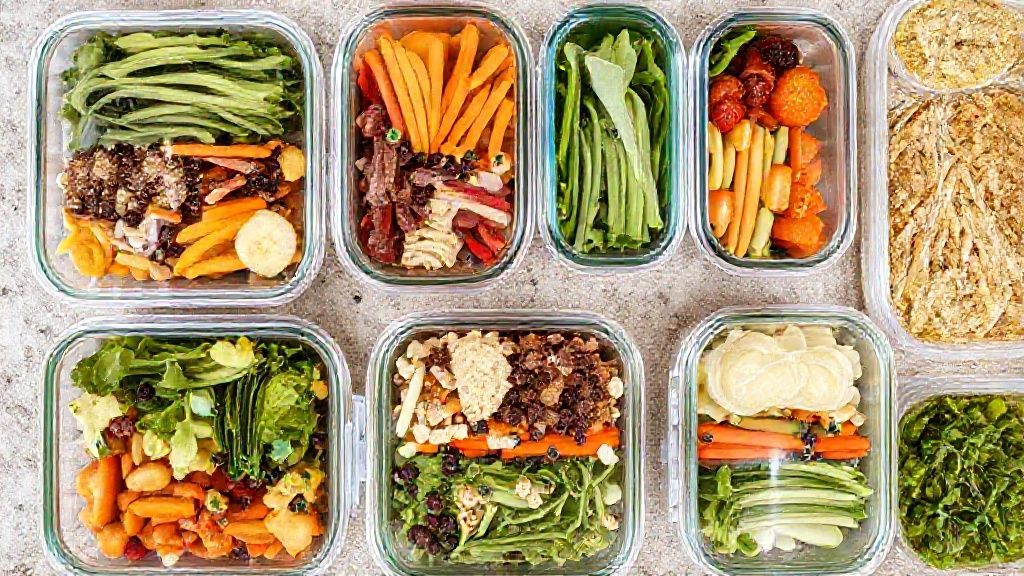
1. Quality Food Storage Containers
This is arguably the most important investment.
* **Airtight and Leak-Proof:** Essential for keeping food fresh and preventing spills.
* **Various Sizes:** You'll need smaller containers for snacks or individual components and larger ones for full meals or batch-cooked items.
* **Material:**
* **Glass:** Durable, non-toxic, doesn't absorb odors or stains, microwave and oven-safe (without lid), and easy to clean. A pricier initial investment but lasts longer.
* **BPA-Free Plastic:** Lighter, less fragile, often more affordable. Ensure they are microwave and freezer safe.
* **Stackable:** Helps with fridge organization and maximizing space.
* **Quantity:** Aim for at least 5-10 containers, depending on how many meals you plan to prep and for how many days.
2. Basic Cookware
You likely have most of these already:
* **Large Baking Sheets:** Perfect for roasting vegetables, proteins (chicken, fish), or sheet pan meals. Having two or three allows you to cook multiple items simultaneously.
* **Large Pots and Pans:** A large stockpot for cooking grains, soups, or stews, and a large non-stick skillet or cast-iron pan for searing proteins or sautéing vegetables.
* **Cutting Boards:** At least two – one for raw meats and one for produce to prevent cross-contamination.
* **Sharp Knives:** A good chef's knife is your best friend for efficient chopping, slicing, and dicing. Keep it sharp!
* **Mixing Bowls:** A set of various sizes for tossing salads, marinating, or combining ingredients.
* **Measuring Cups and Spoons:** Essential for accurate recipe following.
3. Optional but Highly Recommended Tools
These can elevate your meal prep game, especially as you become more experienced:
* **Food Processor:** Speeds up chopping, grating, and pureeing tasks (e.g., making hummus, slicing large quantities of veggies).
* **Blender:** Ideal for smoothies, sauces, and soups.
* **Instant Pot/Pressure Cooker:** Dramatically reduces cooking time for grains, legumes, and even some meats.
* **Slow Cooker:** Perfect for set-it-and-forget-it meals like chili, pulled pork, or stews, which are great for batch cooking.
* **Kitchen Scale:** Useful for precise portion control, especially if you're tracking macros or calories.
* **Vegetable Peeler:** For quick and efficient peeling of potatoes, carrots, etc.
* **Ziploc Bags/Reusable Silicone Bags:** Great for freezing individual portions or marinating.
Kitchen Setup Tips:
* **Clear Counter Space:** A tidy kitchen makes for a tidy mind and efficient prep. Before you start, clear your counters of clutter.
* **Organize Your Pantry:** Knowing what ingredients you already have saves time during meal planning and grocery shopping.
* **Sharpen Your Knives:** A dull knife is more dangerous (and frustrating) than a sharp one.
* **Have Trash Bowl Ready:** Keep a bowl on your counter for scraps and peels to minimize trips to the trash can.
Investing in a few good quality, durable tools will pay off in the long run, making your meal prepping experience more enjoyable and sustainable. Remember, you don't need everything at once; start with the basics and expand your collection as needed.
Planning Your Meal Prep Strategy
Successful meal prepping hinges on thoughtful planning. Without a solid strategy, you're more likely to feel overwhelmed, waste food, or give up entirely. This section guides you through developing a plan that fits your lifestyle.
1. Assess Your Needs and Goals
Before you even think about recipes, ask yourself these questions:
* **How many meals do I need to prep?** Are you prepping only lunches for work, or do you want to cover breakfasts, dinners, and snacks too? For how many days (e.g., 3, 4, or 5 days)?
* **For how many people?** Just yourself, or a family?
* **What are my dietary goals?** Weight loss, muscle gain, healthier eating in general, managing a specific condition (e.g., diabetes), vegetarian, vegan, gluten-free? This will dictate your ingredient choices.
* **What is my schedule like?** When do I have a few hours free for actual prep? Usually, a Sunday afternoon or evening is popular.
2. Choose Your Prepping Style
There isn't one "right" way to meal prep. Find a style that resonates with you:
* **Full Meals (Cook & Portion):** You cook complete dishes (e.g., chicken and roasted veggies, chili, pasta bake) and portion them directly into individual containers. This is great for simplicity and grab-and-go convenience, but can lead to "food fatigue" if you eat the exact same meal repeatedly.
* **Batch Cooking (Cook Components):** You cook large quantities of individual components, then mix and match them throughout the week. For example, a big batch of quinoa, roasted chicken breast, and steamed broccoli. This offers more variety and flexibility, allowing you to create different meals each day by combining the components differently (e.g., chicken & quinoa bowl one day, chicken salad the next).
* **Ingredient Prep (Chop & Store):** This involves doing all the tedious tasks like washing, chopping, slicing, and dicing vegetables, marinating proteins, or making sauces. You store these prepped ingredients separately, then cook them fresh each day, significantly reducing daily cooking time. This is a great starting point if you're hesitant about fully cooked meals.
* **Freezer Meals:** Preparing entire meals or components that can be frozen and reheated later. Excellent for busy weeks or unexpected events.
Many people use a hybrid approach, batch cooking some components while also prepping a few full meals.
3. Create a Meal Plan
This is the heart of your strategy.
* **Look at Your Calendar:** Identify your busiest days when you'll definitely need prepped meals.
* **Gather Recipes:** Start with simple recipes you enjoy. Websites like Pinterest, food blogs, and healthy recipe apps are excellent resources. Focus on recipes with similar ingredients to streamline your grocery shopping.
* **Consider Variety:** To avoid boredom, try to include different proteins, vegetables, and flavors throughout the week. If batch cooking, think about how you can use the same roasted chicken in multiple ways (e.g., with rice, in a salad, as a sandwich filling).
* **Theme Days:** Some people find it helpful to assign themes (e.g., "Meatless Monday," "Taco Tuesday") to guide their recipe choices.
* **Start Small:** Don't try to prep every single meal for the entire week from day one. Begin by prepping just lunches, or maybe just two dinners. Build up gradually as you gain confidence.
4. Build Your Grocery List
Once your meal plan is solid, create a detailed grocery list.
* **Check Your Pantry:** Before heading to the store, see what you already have (spices, oils, pantry staples).
* **Categorize:** Organize your list by sections of the grocery store (produce, dairy, meat, frozen, pantry) to make shopping efficient.
* **Stick to It:** Avoid impulse buys. Your list is your guide to cost-effective and purposeful shopping.
By investing time in this planning phase, you set yourself up for a stress-free and successful meal prep day, making it much easier to stick to your healthy eating goals.
The Prepping Day: Step-by-Step Guide
The actual "meal prep day" (often Sunday) can feel like a culinary marathon, but with a systematic approach, it becomes an efficient and even enjoyable process. Here's a step-by-step guide to conquer your meal prep.
1. Allocate Dedicated Time
Block out 2-4 hours in your schedule. Treat it like an important appointment. For many, Sunday afternoon or evening works best, setting them up for the week ahead. Put on some music, listen to a podcast, or watch a show – make it a pleasant experience!
2. Prep Your Kitchen and Ingredients
* **Clean and Clear:** Start with a clean kitchen. Clear your counters of any clutter to give yourself ample workspace.
* **Gather Tools:** Get out all the necessary pots, pans, cutting boards, knives, and storage containers you'll need.
* **Wash Produce:** Wash all fruits and vegetables thoroughly. This is often the most time-consuming part, so get it out of the way first.
3. "Mise en Place" – Get Everything Ready
This French culinary term means "everything in its place." It's about having all your ingredients measured, chopped, and ready *before* you start cooking.
* **Chop and Dice:** Chop all onions, garlic, carrots, celery, bell peppers, and any other vegetables required for your recipes. Store them temporarily in bowls or separate containers.
* **Marinate Proteins:** If your recipes call for marinated chicken, tofu, or fish, get them soaking now.
4. Prioritize and Multitask Efficiently
Think about cooking tasks that take the longest or can run simultaneously.
* **Batch Cook Grains:** Start your quinoa, brown rice, or farro. These often take 20-45 minutes and can cook unattended.
* **Roast Vegetables:** Preheat your oven and get sheet pans loaded with vegetables (broccoli, sweet potatoes, bell peppers, asparagus). Roasting takes a while but is mostly hands-off.
* **Cook Proteins:** While grains and veggies are cooking, prepare your proteins.
* **Bake/Roast:** Chicken breasts, salmon fillets, or a whole chicken can go in the oven alongside your vegetables.
* **Sauté/Sear:** Cook ground meat (beef, turkey), chicken strips, or tofu on the stovetop.
* **Slow Cook/Pressure Cook:** If using an Instant Pot or slow cooker, get those going first as they take the longest.
* **Hard-Boil Eggs:** A quick protein source that can be cooking while other things are happening.

5. Prepare Sauces and Dressings
While main components are cooking, mix up any dressings, sauces, or dips you'll need. Store these separately to prevent food from getting soggy and to allow for customization.
6. Cool, Assemble, and Portion
Once all your components are cooked:
* **Cool Down:** This is crucial for food safety. Allow all cooked food to cool completely at room temperature (ideally within 1-2 hours) before sealing and refrigerating. Placing hot food directly into the fridge can raise the overall temperature, potentially spoiling other foods. To speed cooling, spread food out on a clean baking sheet or divide into smaller, shallow containers.
* **Assemble/Portion:**
* **Full Meals:** Divide your complete meals into individual airtight containers.
* **Components:** If you're batch cooking, store proteins, grains, and vegetables in separate larger containers, ready to be mixed and matched.
* **Label and Date:** Use a marker or label maker to clearly mark each container with its contents and the date it was prepared. This helps with food rotation and prevents guesswork.
7. Clean Up As You Go (or at the End)
Some people prefer to clean up as they go, washing dishes while food is roasting. Others prefer to tackle it all at the end. Whatever your style, a clean kitchen is the perfect end to a productive prep day.
By following these steps, you'll find your meal prep day transforming from a daunting task into a streamlined process that yields a week's worth of delicious, healthy meals.
Beginner-Friendly Meal Prep Recipes & Ideas
The key to successful meal prepping for beginners is to start with simple, straightforward recipes that don't require fancy ingredients or complex techniques. Focus on balanced meals that combine a protein, a complex carbohydrate, and plenty of vegetables.
Building Blocks for Mix-and-Match Meals:
This style is great for beginners as it offers variety without needing to cook entirely new dishes every day.
* **Proteins (Choose 1-2):**
* **Chicken Breast/Thighs:** Baked, grilled, or shredded (cook a large batch with simple seasonings).
* **Ground Turkey/Beef:** Cook with taco seasoning, Italian herbs, or just salt and pepper.
* **Hard-Boiled Eggs:** A quick, portable protein for breakfasts or snacks.
* **Lentils/Chickpeas:** Cook a large batch from dry or use canned for speed. Excellent plant-based options.
* **Tofu/Tempeh:** Baked or pan-fried with a simple marinade.
* **Complex Carbohydrates (Choose 1-2):**
* **Quinoa:** High in protein and fiber, cooks relatively quickly.
* **Brown Rice:** A classic staple, great for absorbing flavors.
* **Sweet Potatoes:** Baked, roasted, or steamed.
* **Whole Wheat Pasta:** Cook a batch and toss with a little olive oil to prevent sticking.
* **Vegetables (Choose 2-3):**
* **Roasted Veggies:** Broccoli, bell peppers, carrots, Brussels sprouts, zucchini, asparagus (toss with olive oil, salt, pepper, garlic powder).
* **Steamed Veggies:** Green beans, cauliflower, spinach.
* **Fresh Greens:** Spinach, mixed greens, chopped kale (store separately and add fresh to meals).
* **Pre-cut Veggies:** Carrot sticks, cucumber slices, cherry tomatoes for snacks or quick additions.
Sample Beginner Meal Prep Ideas:
Breakfast Ideas:
* **Overnight Oats:** Combine rolled oats, milk (dairy or non-dairy), chia seeds, and your choice of sweetener/flavorings (fruit, nuts, spices) in a jar. Refrigerate overnight. Make 3-4 jars at once.
* **Egg Muffins/Frittatas:** Whisk eggs with chopped veggies (peppers, spinach, onions) and a little cheese. Pour into muffin tins and bake until set. Great for grab-and-go.
* **Smoothie Packs:** Portion frozen fruit, spinach, and protein powder into individual freezer bags. In the morning, just dump into a blender with liquid.
Lunch & Dinner Ideas:
* **Chicken & Roasted Veggie Bowls:** Combine a serving of roasted chicken, quinoa or brown rice, and your favorite roasted vegetables. Add a healthy dressing (store separately) when serving.
* **Sheet Pan Meals:** Toss chicken sausage (or regular chicken), bell peppers, onions, and zucchini with olive oil and spices. Roast on a single sheet pan. Easy to divide into containers.
* **Lentil Soup/Chili:** Make a large pot of hearty lentil soup or chili. It tastes even better the next day and freezes well.
* **Taco Bowls/Salads:** Cook a batch of seasoned ground turkey or lentils. Serve with brown rice, black beans, corn, salsa, and lettuce.
* **Pasta Salad:** Cook whole wheat pasta, add chopped bell peppers, cucumbers, cherry tomatoes, olives, and a light vinaigrette. Add cooked chicken or chickpeas for protein.
* **Stir-Fry Components:** Cook chicken or tofu. Chop various stir-fry vegetables. Prepare a batch of brown rice. Quickly stir-fry the components together nightly, or combine pre-cooked components for quick reheating.
Snack Ideas:
* **Pre-portioned Nuts & Seeds:** Divide into small bags.
* **Veggie Sticks & Hummus:** Chop carrots, celery, bell peppers. Portion hummus into small containers.
* **Fruit Salad:** Chop and mix various fruits.
* **Greek Yogurt with Berries:** Portion yogurt and add berries when ready to eat.
When selecting recipes, prioritize those with minimal ingredients and simple cooking steps. As you gain confidence, you can gradually introduce more complex dishes. Remember, consistency is more important than perfection when you're just starting out!
Food Safety and Storage Tips
Proper food safety and storage are paramount when meal prepping to prevent foodborne illnesses and keep your delicious meals fresh. Ignoring these guidelines can not only make your food go bad prematurely but can also be dangerous.
1. Rapid Cooling is Key
One of the most critical steps after cooking is to cool food down quickly before refrigerating.
* **Within 2 Hours:** Cooked food should be cooled from 135°F (57°C) to 70°F (21°C) within two hours, and then from 70°F (21°C) to 40°F (4°C) or below within an additional four hours.
* **Methods to Speed Cooling:**
* **Shallow Containers:** Divide large portions of food into several shallow containers (not too deep) to maximize surface area.
* **Ice Bath:** Place containers of hot food into a larger bowl filled with ice water. Stir the food occasionally to help it cool evenly.
* **Avoid Overpacking Fridge:** Don't put large amounts of hot food directly into a packed refrigerator, as it can raise the temperature of the fridge and other foods, creating a breeding ground for bacteria.
2. Refrigeration Guidelines
* **Temperature:** Ensure your refrigerator is set to 40°F (4°C) or below.
* **Shelf Life:** Most prepped meals and cooked components are safe to eat for **3-4 days** when stored properly in airtight containers in the refrigerator. After this period, the risk of bacterial growth increases significantly.
* **Labeling:** Always label your containers with the date of preparation. This helps you keep track of freshness and avoid consuming expired food.
* **Storage Order:** Store raw meats on the lowest shelves in your fridge to prevent any drips from contaminating cooked foods or produce below.
3. Freezing for Longer Storage
Many prepped meals and components freeze beautifully, extending their shelf life to **2-3 months**.
* **Freezer-Friendly Foods:** Soups, stews, chilis, cooked grains (rice, quinoa), cooked ground meats, baked chicken breasts, and some roasted vegetables (though texture might change slightly).
* **Packaging:** Use freezer-safe containers, heavy-duty freezer bags (squeezing out excess air), or vacuum-seal bags to prevent freezer burn.
* **Labeling:** Always label with the contents and the date frozen.
* **Thawing:** Thaw frozen meals in the refrigerator overnight or use the defrost setting on your microwave. Never thaw food at room temperature, as this allows bacteria to multiply rapidly on the surface while the center remains frozen.
4. Reheating Properly
* **Internal Temperature:** Reheat all prepped meals thoroughly to an internal temperature of 165°F (74°C) to kill any potential bacteria. Use a food thermometer if you're unsure.
* **Methods:** Microwave, oven, or stovetop are all suitable. If using a microwave, stir the food halfway through to ensure even heating.
* **One Time Reheat:** For safety, only reheat food once. If you have leftovers from a reheated meal, discard them.
5. Prevent Cross-Contamination
* **Separate Cutting Boards:** Always use one cutting board for raw meats and another for produce and cooked foods. Color-coded boards can be helpful.
* **Wash Hands:** Wash your hands thoroughly with soap and water before, during, and after handling food, especially raw meat.
* **Clean Surfaces:** Sanitize countertops, utensils, and cutting boards that come into contact with raw food.
By diligently following these food safety and storage practices, you can enjoy your meal preps confidently, knowing your food is both delicious and safe to eat throughout the week.
Troubleshooting Common Meal Prep Challenges
Even with the best intentions, meal prepping can come with its share of hurdles. Don't get discouraged! Most challenges are common and have simple solutions.
1. Boredom and Food Fatigue
Eating the same meal for several days can lead to culinary ennui.
* **Solution:**
* **Mix-and-Match Components:** Instead of full meals, prep individual components (protein, carb, veggies) and combine them differently. Roasted chicken with rice and broccoli one day, chicken salad the next, chicken tacos the day after.
* **Vary Seasonings/Sauces:** Use different spice blends, fresh herbs, or sauces (stored separately) to transform a base meal. A plain chicken and rice bowl can become Asian-inspired with soy sauce and sesame seeds, or Mexican-inspired with salsa and cilantro.
* **Introduce One New Recipe:** Commit to trying one new meal prep recipe each week or month.
* **Rotate Recipes:** Keep a rotation of 5-10 favorite recipes and revisit them.
* **"Deconstructed" Meals:** Pack ingredients separately and assemble just before eating (e.g., salad with dressing on the side).
2. Lack of Time for Prepping
Finding 2-4 hours can be tough, especially for busy individuals.
* **Solution:**
* **Start Small:** Don't try to prep every meal. Focus on just lunches, or just breakfasts, or a couple of dinners.
* **Ingredient Prep Only:** Dedicate an hour to chopping veggies, washing greens, and marinating proteins. This significantly cuts down daily cooking time.
* **Use Shortcut Ingredients:** Pre-cut vegetables, rotisserie chicken, canned beans, pre-cooked grains.
* **Utilize Appliances:** Instant Pot/slow cooker for hands-off cooking, food processor for quick chopping.
* **Split Your Prep Day:** Do some prep on Saturday (e.g., grocery shopping, chopping) and finish cooking on Sunday.
3. Food Goes Bad Too Quickly
If your meals aren't lasting the full 3-4 days.
* **Solution:**
* **Ensure Rapid Cooling:** As discussed, this is critical. Cool food completely before refrigerating.
* **Airtight Containers:** Invest in high-quality, truly airtight containers.
* **Check Fridge Temperature:** Make sure your fridge is set to 40°F (4°C) or below.
* **Mind Moisture:** Some foods, especially leafy greens, can get soggy. Store dressings/sauces separately. For salads, keep wet ingredients (tomatoes, cucumber) layered on top or in separate compartments.
* **Freeze More:** If you consistently struggle, prep for 2-3 days and freeze the rest.
4. Feeling Overwhelmed by the Process
The thought of planning, shopping, and cooking for a whole week can be daunting.
* **Solution:**
* **Simplify Recipes:** Choose recipes with 5-7 ingredients and minimal steps.
* **Focus on One Meal Type:** Master prepping lunches before adding dinners or breakfasts.
* **Delegate/Involve Family:** If possible, get family members involved in chopping, washing, or even choosing meals.
* **One Component at a Time:** For your first prep, just cook a big batch of chicken or rice. See how that goes, then add another component next week.
* **Create a Routine:** Once you establish a rhythm, it becomes second nature.
5. Cost of Ingredients
Meal prepping is supposed to save money, but initial grocery trips can sometimes feel expensive.
* **Solution:**
* **Plan Around Sales:** Check weekly grocery ads and plan meals around discounted proteins or produce.
* **Buy in Bulk:** For pantry staples (grains, dried beans, spices) and non-perishables.
* **Seasonal Produce:** Buy fruits and vegetables that are in season; they are usually cheaper and tastier.
* **Embrace Legumes:** Beans and lentils are incredibly affordable protein sources.
* **Compare Unit Prices:** Look at the price per pound/ounce to get the best value.
* **Reduce Meat Portions:** Try "meatless Mondays" or incorporate plant-based proteins more often.
By anticipating these common issues and having solutions ready, you can navigate your meal prep journey with confidence and avoid the pitfalls that often lead to giving up. Remember, consistency and flexibility are your greatest allies.
Advanced Meal Prepping Techniques (for Future Growth)
Once you've mastered the basics and feel comfortable with your routine, you might be curious about ways to optimize your meal prep further. These advanced techniques can save even more time, enhance flavor, or expand your meal options:
* **Sous Vide Cooking:** For perfectly cooked, tender proteins (chicken, steak, eggs) with minimal effort. You can cook large batches, then quickly sear or finish them when ready to eat.
* **Pressure Cooking (Instant Pot):** Beyond just rice, pressure cookers can dramatically speed up cooking times for stews, chilis, tough cuts of meat, and dried beans from scratch.
* **Freezer Meal Prep:** This takes batch cooking to the next level by preparing entire meals designed specifically for freezing and reheating. Think large casseroles, individual portions of chili, or even pre-assembled "dump meals" for the slow cooker.
* **"No-Cook" Prepping:** Focuses on meals that require minimal to no cooking on the day of consumption, such as elaborate salads, wraps, pre-made smoothie packs, or overnight oats.
* **Ingredient Prep for Complex Recipes:** For meals you love that have many components, you can prep elements like homemade sauces, spice blends, or intricate chopped vegetable mixes well in advance.
* **Dehydration/Fermentation:** For the truly ambitious, these methods can preserve specific ingredients for much longer, adding unique flavors and nutritional benefits.
Don't feel pressured to dive into these right away. They are simply avenues for exploration once you've built a strong foundation in basic meal prepping and are looking for new ways to refine your approach.
Conclusion: Your Journey to a Healthier, Happier You Starts Now!
Congratulations! You've just equipped yourself with a comprehensive understanding of how to start meal prepping – a skill that promises to revolutionize your relationship with food, time, and personal well-being. From understanding the profound benefits of meal prepping, to gathering your essential kitchen tools, crafting a smart meal plan, executing an efficient prep day, and ensuring food safety, you now have a clear roadmap.
Remember, the journey of meal prepping is a marathon, not a sprint. Don't aim for perfection from day one. Start small, be patient with yourself, and allow room for experimentation and learning. Your first few prep sessions might feel a little clunky, and that's perfectly normal. With each passing week, you'll become more efficient, discover new favorite recipes, and fine-tune a routine that perfectly fits your lifestyle.
Embrace the process, savor the delicious, healthy meals you create, and enjoy the newfound time and peace of mind that meal prepping brings. You're not just preparing food; you're investing in a healthier, more organized, and ultimately happier version of yourself.
So, what are you waiting for? Take that first step. Plan your first meal prep session, create your grocery list, and embark on this incredibly rewarding journey. Your future self (and your wallet!) will thank you.
Comments
Post a Comment