Eat Well, Spend Less: 5 Budget-Friendly Meal Prep Hacks
In a world where healthy eating often feels like a luxury and rising grocery prices make our wallets ache, the dream of nourishing our bodies without breaking the bank can seem increasingly out of reach. We’ve all been there: staring at an empty fridge on a Tuesday night, feeling the pull of expensive takeout, or scrolling through food delivery apps with a sigh, knowing our budget is about to take a hit. The perception that wholesome, home-cooked meals are inherently costly is a persistent myth, one that often leads us down the path of convenience over cost-effectiveness and nutrition.
But what if I told you there’s a powerful, accessible tool that can transform your relationship with food and your finances? A strategy that empowers you to take control of your plate, reduce food waste, and dramatically save money on food, all while ensuring you’re fueling your body with the good stuff? That tool, my friends, is meal prep – and specifically, *budget-friendly* meal prep.
Forget the images of elaborate, gourmet meal prep spreads you might see on social media. Cheap meal prep is about smart planning, strategic shopping, and creative cooking that maximizes every dollar and every ingredient. It’s the ultimate antidote to the "what's for dinner?" panic and the constant drain of impromptu food purchases. It’s about making healthy eating on a budget not just possible, but easy, enjoyable, and sustainable.
Today, we're diving deep into five transformative hacks that will equip you with the knowledge and confidence to master budget meal prep. These aren't just tips; they're fundamental shifts in how you approach your weekly food routine, designed to make your grocery budget go further than you ever thought possible. Get ready to discover how simple changes can lead to significant savings and a healthier, more organized life. Let’s turn those kitchen aspirations into delicious, affordable realities!
Hack 1: Become a Savvy Shopper: The Grocery Store is Your Goldmine
The foundation of any successful cheap meal prep strategy begins long before you even set foot in the kitchen – it starts at the grocery store. Your shopping habits have an enormous impact on your overall food budget. Thinking of the grocery store as a tactical battlefield where every choice can save or cost you money will completely change your perspective. This hack isn't just about buying less; it's about buying smarter, making every dollar stretch further to build a robust foundation for budget meal prep.
Here’s how to transform into a savvy grocery shopper and unlock significant savings:
- Plan Your Menu First, Then Your List: This is non-negotiable. Before you even think about what you *want* to eat, check your pantry, fridge, and freezer. What do you already have? Then, peruse weekly sales flyers from local grocery stores. Design your meals around the ingredients that are on sale or already in your possession. This proactive approach ensures you’re not buying duplicates or ingredients you don't need, directly contributing to saving money on food. Once your menu is set, create a detailed shopping list, organized by aisle to minimize impulse purchases.
- Embrace Seasonal & Sale Items: Produce is always cheaper and tastier when it's in season. A quick online search will tell you what fruits and vegetables are at their peak and most affordable. When items are on deep discount, buy extra – within reason – and utilize your freezer (more on that later!) to preserve them. For items out of season, don't shy away from frozen or canned alternatives (look for low-sodium or no-sugar-added options), which can be just as nutritious and significantly cheaper.
- Buy in Bulk (Smartly): Staples like rice, oats, pasta, dried beans, lentils, and certain nuts and seeds are almost always more cost-effective when purchased in larger quantities. If your store has a bulk bin section, take advantage of it to buy just the amount you need for spices or grains, often at a fraction of the pre-packaged cost. However, be judicious with perishables; only buy bulk if you know you'll use it before it spoils. Portion and store bulk items properly in airtight containers to maintain freshness and prevent waste.
- Befriend Generic/Store Brands: Most grocery chains offer their own brand of products, which are often produced by the same manufacturers as their name-brand counterparts but sold at a lower price due to reduced marketing costs. From pantry staples like canned goods and condiments to dairy and frozen vegetables, opting for generic brands can lead to substantial savings without compromising on quality for your affordable meal prep recipes.
- Understand Unit Pricing: Don't just look at the total price. Most grocery stores display the "unit price" (e.g., price per ounce or per 100g) on the shelf tag. This allows for an apples-to-apples comparison between different brands or package sizes, helping you identify the true best value. A larger package might seem cheaper, but its unit price could tell a different story.
- Limit Processed Foods: Pre-cut vegetables, pre-marinated meats, and convenience meals come with a hefty price tag for the labor involved. While tempting for their time-saving appeal, these items quickly inflate your grocery bill and often contain added sugars, sodium, and unhealthy fats. Invest a little extra time in chopping and preparing ingredients yourself; it's a direct route to healthy eating on a budget.
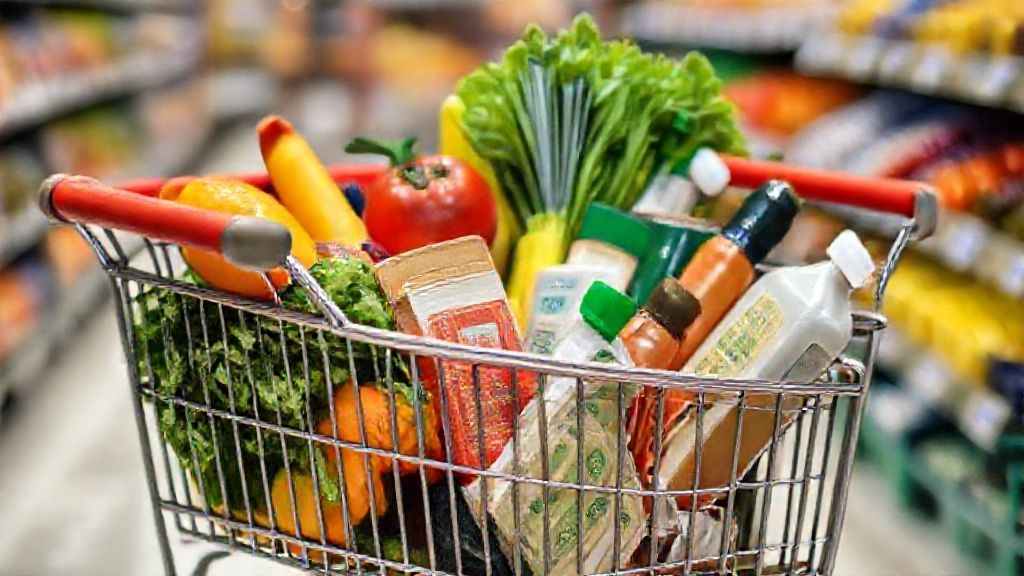
By adopting these savvy shopping habits, you’ll not only shave significant dollars off your weekly grocery bill but also ensure your pantry and fridge are stocked with the right ingredients for efficient and delicious budget meal prep. This initial investment of time in planning and smart purchasing pays dividends throughout your entire week, making healthy, affordable eating a sustainable reality.
Hack 2: Master the Art of Versatile Staples
Once you’ve become a grocery store ninja, the next crucial step in mastering cheap meal prep is to build your meals around versatile, inexpensive staples. These are the unsung heroes of healthy eating on a budget – ingredients that are not only affordable and nutritious but can also be transformed into a multitude of dishes with just a little creativity. Focusing on these core items allows you to create diverse meal plans without an overflowing shopping cart or an overwhelming grocery bill.
Here are the workhorse staples you should always have on hand for efficient and budget meal prep:
- Grains Galore:
- Rice (Brown & White): The ultimate budget staple. Brown rice offers more fiber and nutrients. Cook a large batch and use it for sides, stir-fries, grain bowls, or even breakfast porridge.
- Quinoa: A complete protein, incredibly versatile. Great in salads, as a side, or even as a breakfast base.
- Oats: Not just for breakfast! Use rolled oats for overnight oats, oatmeal, homemade granola, or even as a binder in veggie burgers and meatloaf.
- Pasta: A classic for a reason. Cheap, filling, and forms the base for endless affordable meal prep recipes.
- Couscous/Farro/Barley: Explore other grains for variety, often found in bulk bins for extra savings.
- Legumes for Lean Protein:
- Lentils: Incredibly cheap, packed with protein and fiber, and cook quickly. Great in soups, stews, curries, or as a meat substitute in tacos or sloppy joes.
- Chickpeas: Versatile in salads, roasted as a snack, blended into hummus, or added to curries and stews.
- Black Beans/Kidney Beans: Excellent for burritos, tacos, chili, and hearty salads. Buy dried in bulk for maximum savings and cook them yourself (or use canned for convenience, rinsing well).
- Root Vegetables & Long-Lasting Produce:
- Potatoes & Sweet Potatoes: Inexpensive, satisfying, and incredibly versatile. Bake, roast, mash, or add to stews. They have a long shelf life.
- Carrots & Onions: Essential aromatics for almost any savory dish. Buy in larger bags.
- Cabbage: A very budget-friendly vegetable that can be sautéed, roasted, or used in slaws.
- Garlic: Essential for flavor, buy whole heads.
- Eggs: The Protein Powerhouse:
- Eggs are one of the most cost-effective sources of high-quality protein. Boil a dozen for quick snacks or salad toppers, make frittatas, scrambles, or use them to bind ingredients in veggie burgers.
- Frozen Fruits & Vegetables:
- Don't underestimate the power of the freezer aisle! Frozen produce is picked at its peak ripeness and flash-frozen, locking in nutrients. It's often cheaper than fresh (especially out of season), lasts much longer, and prevents spoilage. Stock up on frozen berries for smoothies, and frozen mixed vegetables for stir-fries, soups, and casseroles.
- Dairy & Non-Dairy Essentials:
- Plain Yogurt/Cottage Cheese: Excellent sources of protein. Use for breakfasts, snacks, or as a base for creamy sauces or dips.
- Milk/Fortified Non-Dairy Milk: For cereals, coffee, and cooking.
By building your meal plans around these versatile staples, you’ll find that creating a diverse range of affordable meal prep recipes becomes incredibly easy. A batch of cooked brown rice can be a side for dinner, part of a lunch salad, or even a base for a breakfast bowl with fruit. Cooked lentils can become a hearty soup one day, and a filling for lettuce wraps the next. This strategic ingredient focus is a cornerstone of effective budget meal prep, ensuring you always have the building blocks for delicious, healthy meals without overspending.
Hack 3: Batch Cooking & Ingredient Repurposing Magic
Now that your pantry is stocked with budget-friendly staples, it’s time to unleash the true power of cheap meal prep: batch cooking and ingredient repurposing. This hack is all about efficiency in the kitchen and creativity in transforming a few core ingredients into a variety of meals, preventing food boredom and maximizing your time and money. It’s the art of cooking once, eating many times, and making your healthy eating on a budget journey both effortless and exciting.
The core principle is simple: instead of cooking each meal from scratch, you cook larger quantities of base ingredients or entire meals. Then, you find clever ways to give these ingredients new life throughout the week. Here’s how to put this magic into practice:
- Cook Base Ingredients in Bulk:
- Proteins: Roast a whole chicken, bake several chicken breasts, cook a large batch of ground turkey or beef (seasoned simply), or pan-fry a big batch of tofu or tempeh.
- Grains: Prepare a big pot of brown rice, quinoa, or farro. These can last for several days in the fridge.
- Roasted Vegetables: Chop up a variety of sturdy vegetables like sweet potatoes, broccoli, bell peppers, carrots, and Brussels sprouts. Toss them with a little oil and basic seasonings, then roast on a large sheet pan.
- Legumes: If you're using dried beans or lentils, cook a substantial amount.
- Transform, Don't Repeat: Creative Ingredient Repurposing: This is where the magic happens and food waste is minimized, a direct win for how to save money on food. The key is to think about how you can change the flavor profile or presentation of an ingredient without starting over.
- Batch-Cooked Chicken:
- Day 1: Roasted chicken with a side of roasted veggies and rice.
- Day 2: Shredded chicken for chicken tacos or burritos.
- Day 3: Diced chicken added to a leafy green salad with a homemade vinaigrette.
- Day 4: Chicken stir-fry with frozen vegetables and a simple soy-ginger sauce.
- Day 5: Chicken added to a pasta dish or a hearty chicken noodle soup.
- Batch-Cooked Grains (Rice/Quinoa):
- Side Dish: A simple accompaniment to any protein.
- Grain Bowl Base: Top with roasted veggies, a protein, and a sauce.
- Salad Filler: Add to green salads for extra substance and fiber.
- Stir-fry Component: Used as a base for fried rice or as an addition to a vegetable stir-fry.
- Breakfast: With milk, fruit, and cinnamon for a hearty start.
- Roasted Vegetables:
- Side Dish: Paired with any main course.
- Soup Base: Blend into a creamy vegetable soup.
- Frittata/Quiche Filler: Mix with eggs and cheese for a quick meal.
- Sandwich/Wrap Addition: Add flavor and nutrition to your midday meal.
- Batch-Cooked Chicken:
- Vary Flavor Profiles: The secret to avoiding meal prep boredom is to use different seasonings, herbs, and sauces throughout the week. A basic cooked protein or vegetable can taste completely different with just a change in flavor:
- Mediterranean: Lemon, oregano, garlic, feta.
- Asian: Soy sauce, ginger, garlic, sesame oil, chili flakes.
- Mexican: Cumin, chili powder, paprika, cilantro, lime.
- Italian: Basil, oregano, garlic, tomato sauce.

This hack not only ensures you have delicious and affordable meal prep recipes ready to go but also significantly reduces the amount of time you spend cooking each day. By dedicating a few hours once or twice a week to batch cooking, you free up your evenings, reduce stress, and keep your budget firmly on track. This systematic approach is the heartbeat of effective budget meal prep, making healthy eating both convenient and economical.
Hack 4: Your Freezer is Your Best Friend
Often overlooked or underutilized, the freezer is one of the most powerful tools in your cheap meal prep arsenal. It's not just for ice cream anymore! Mastering the art of freezer management is paramount for preventing food waste, extending the shelf life of ingredients, and ensuring you always have affordable meal prep recipes on hand, even on the busiest of days. When it comes to how to save money on food, your freezer is an absolute game-changer.
Here’s how to make your freezer work smarter, not harder, for your budget meal prep goals:
- Freeze Leftovers & Excess Portions:
- Instead of letting extra chili, soup, stew, or casserole sit in the fridge until it spoils, portion it out into individual servings and freeze. These become instant, healthy, and budget-friendly grab-and-go meals for future lunches or dinners.
- Even cooked grains or roasted vegetables can be frozen in portions. This is especially helpful if you've bought in bulk.
- Freeze Components for Future Meals:
- Raw Proteins: When chicken, ground meat, or fish are on sale, buy extra. Portion them into individual or meal-sized servings before freezing. This prevents waste and ensures you have protein ready when you need it.
- Chopped Aromatics: Chop onions, bell peppers, garlic, and ginger in bulk. Freeze them flat on a baking sheet, then transfer to a freezer bag. This saves precious prep time on busy weeknights.
- Broth/Stock: Freeze homemade or store-bought broth in ice cube trays or larger containers. Handy for soups, sauces, or adding flavor to grains.
- Herbs: Chop fresh herbs (parsley, cilantro, chives) and freeze them in ice cube trays with a little olive oil or water. Perfect for adding a burst of flavor to cooked dishes.
- Make Freezable Meals:
- Design your affordable meal prep recipes with the freezer in mind. Soups, stews, chili, curries, casseroles, lasagna, and even some breakfast burritos freeze beautifully. Double or triple a recipe and freeze the extra portions.
- Baked goods like muffins, pancakes, and waffles can also be frozen and reheated for quick breakfasts.
- Extend Shelf Life & Prevent Spoilage:
- Bread: If you buy a loaf of bread and know you won't finish it before it goes stale, slice it and freeze it. You can toast slices directly from frozen.
- Berries: Stock up on fresh berries when they're on sale. Wash, dry, and freeze them in a single layer before transferring to a freezer bag. Ideal for smoothies or baking.
- Dairy: Milk can be frozen (it might separate a bit but is fine for cooking), and blocks of cheese can also be frozen, then grated from frozen or thawed for cooking.
- Proper Storage is Key:
- Air-tight Containers/Bags: Minimize air exposure to prevent freezer burn. High-quality freezer-safe containers or thick freezer bags are essential.
- Label and Date: Always label what's in the container and the date it was frozen. This prevents mystery meals and helps you rotate your stock, ensuring food is consumed within its optimal freezer life.
- Defrost Safely: Always defrost food in the refrigerator overnight, under cold running water, or in the microwave. Never at room temperature.
By treating your freezer as a strategic pantry extension, you'll greatly reduce food waste, a major component of saving money on food. You'll always have a backup meal or essential ingredients ready, making healthy eating on a budget effortless and making expensive, last-minute takeout a distant memory. The freezer truly is the unsung hero of efficient and budget meal prep.
Hack 5: DIY Sauces & Seasonings: Flavor for Pennies
The final, yet incredibly impactful, hack for mastering cheap meal prep lies in taking control of your flavorings. Pre-made sauces, salad dressings, and spice blends often come with inflated price tags, hidden sugars, excessive sodium, and unnecessary preservatives. They might seem convenient, but they quickly chip away at your budget and compromise your goal of healthy eating on a budget. By adopting a DIY approach to sauces and seasonings, you gain control over ingredients, save a significant amount of money, and elevate the taste of your affordable meal prep recipes.
Here’s how to create incredible flavor for pennies and boost your budget meal prep game:
- Ditch Bottled Dressings and Marinades:
- These are notorious budget busters. Making your own is incredibly simple and much healthier.
- Basic Vinaigrette: The golden ratio is typically 3 parts oil (olive, avocado) to 1 part vinegar (apple cider, red wine, balsamic). Add a teaspoon of Dijon mustard (for emulsification), a pinch of salt and pepper, and any dried or fresh herbs you like. Shake well, and you have a delicious, fresh dressing that costs mere cents per serving.
- Simple Marinades: A combination of soy sauce (or tamari), ginger, garlic, a touch of honey or maple syrup, and a splash of vinegar can marinate chicken, tofu, or vegetables beautifully for a fraction of the cost of store-bought.
- Create Your Own Spice Blends:
- Buying individual spices in bulk (from bulk bins or larger containers) is far more economical than buying pre-mixed blends in small jars.
- Taco Seasoning: Mix chili powder, cumin, paprika, onion powder, garlic powder, oregano, salt, and pepper.
- Italian Seasoning: Combine dried basil, oregano, thyme, rosemary, and marjoram.
- Curry Powder: A blend of turmeric, cumin, coriander, ginger, and other spices.
- You control the sodium and heat, and you can customize them to your taste.
- Harness the Power of Herbs (Fresh & Dried):
- Dried herbs are incredibly budget-friendly and last a long time. Buy them in larger quantities from bulk sections if possible.
- If you have a sunny windowsill or a small outdoor space, consider growing your own fresh herbs like basil, parsley, mint, and cilantro. They add unparalleled freshness and save you from buying expensive small packets at the store.
- Nutritional Yeast: A secret weapon for healthy eating on a budget. It offers a cheesy, umami flavor that can enhance sauces, roasted vegetables, and popcorn, providing a good source of B vitamins for much less than cheese.
- Whip Up Simple Sauces:
- Peanut Sauce: Peanut butter, soy sauce, lime juice, a touch of honey/maple, and water. Perfect for stir-fries, noodle dishes, or as a dipping sauce.
- Pesto (Budget-Friendly Version): Traditionally made with pine nuts and Parmesan, you can substitute spinach or other greens for basil, and cheaper nuts like walnuts or almonds for pine nuts. Nutritional yeast can replace some of the Parmesan.
- Hummus: Blending chickpeas, tahini (sesame paste), lemon juice, garlic, and water creates a versatile dip, spread, or sauce. Make it in bulk for snacks, sandwiches, or grain bowls.
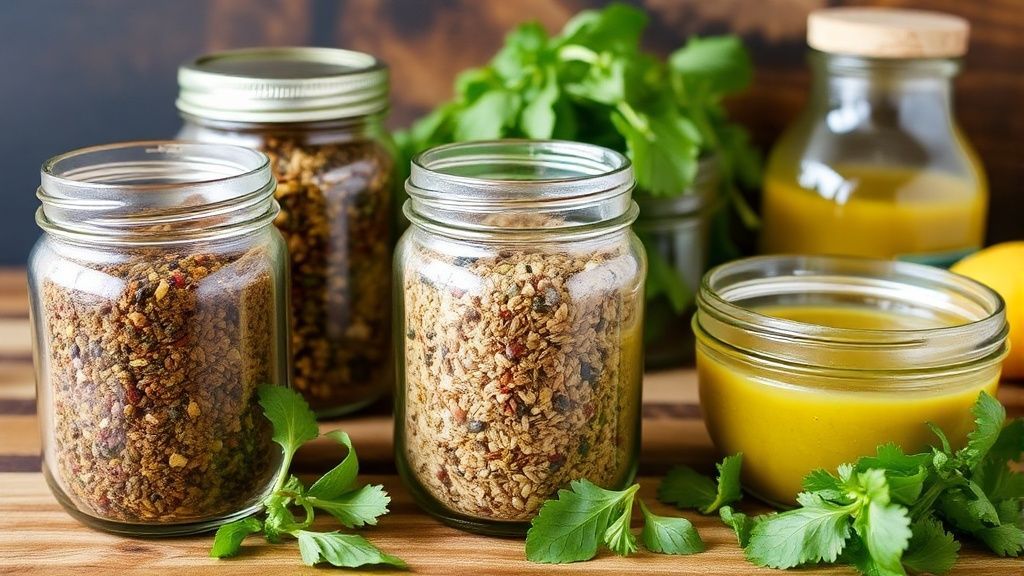
By taking a few extra minutes to mix your own dressings, seasonings, and simple sauces, you’ll not only save a substantial amount of money but also enjoy fresher, more vibrant flavors in your meals. This hack profoundly impacts the overall cost and nutritional quality of your budget meal prep, proving that delicious and affordable meal prep recipes don't require expensive, pre-packaged shortcuts.
Bringing It All Together: Your Meal Prep Journey Starts Now
There you have it: five powerful, actionable hacks that will revolutionize your approach to food, health, and finances. From becoming a savvy grocery shopper who sniffs out the best deals, to mastering the magic of versatile staples, embracing the efficiency of batch cooking and repurposing ingredients, leveraging the deep freeze for ultimate savings, and crafting your own flavor with DIY sauces and seasonings – each hack is a vital piece of the cheap meal prep puzzle.
The journey to healthy eating on a budget doesn't have to be daunting. It's about small, consistent steps that build into powerful habits. Imagine a week where you never have to scramble for dinner, never succumb to the siren song of expensive takeout, and never feel guilty about your food spending. That’s the reality that budget meal prep offers.
By implementing these strategies, you’re not just preparing meals; you’re investing in your well-being, reclaiming your time, and significantly learning to save money on food. You'll find yourself eating more nutritious, home-cooked meals, experiencing less stress, and discovering a newfound confidence in the kitchen.
Don't feel like you have to implement all five hacks at once. Start with one or two that resonate most with you, perhaps focusing on planning your grocery list based on sales, or batch cooking a simple protein. As you gain confidence, gradually incorporate more of these techniques into your routine. The rewards – a fatter wallet, a healthier body, and more free time – are well worth the effort.
So, take a deep breath, grab your pen and paper, and start planning. Your journey to delicious, affordable meal prep recipes and a more budget-friendly lifestyle begins today. What’s your favorite budget-friendly meal prep hack? Share your tips in the comments below!
Comments
Post a Comment